A quick guide to Serpent lsland

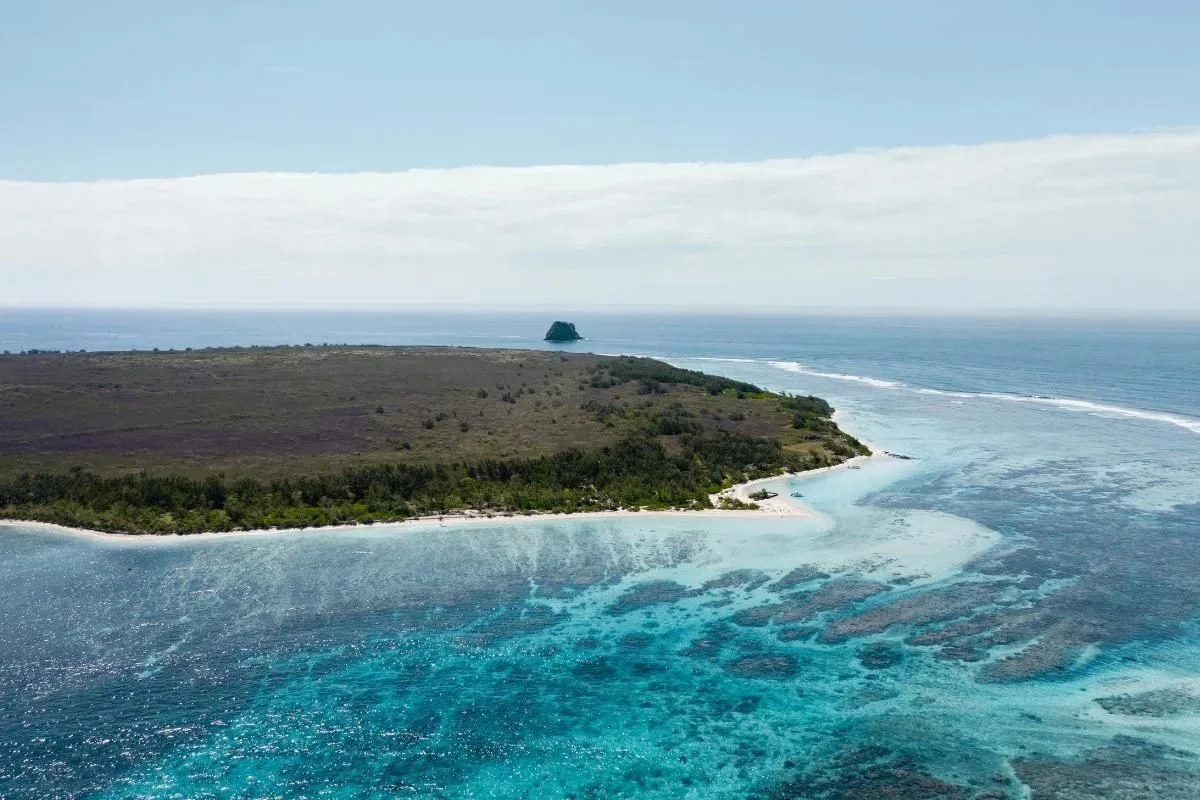
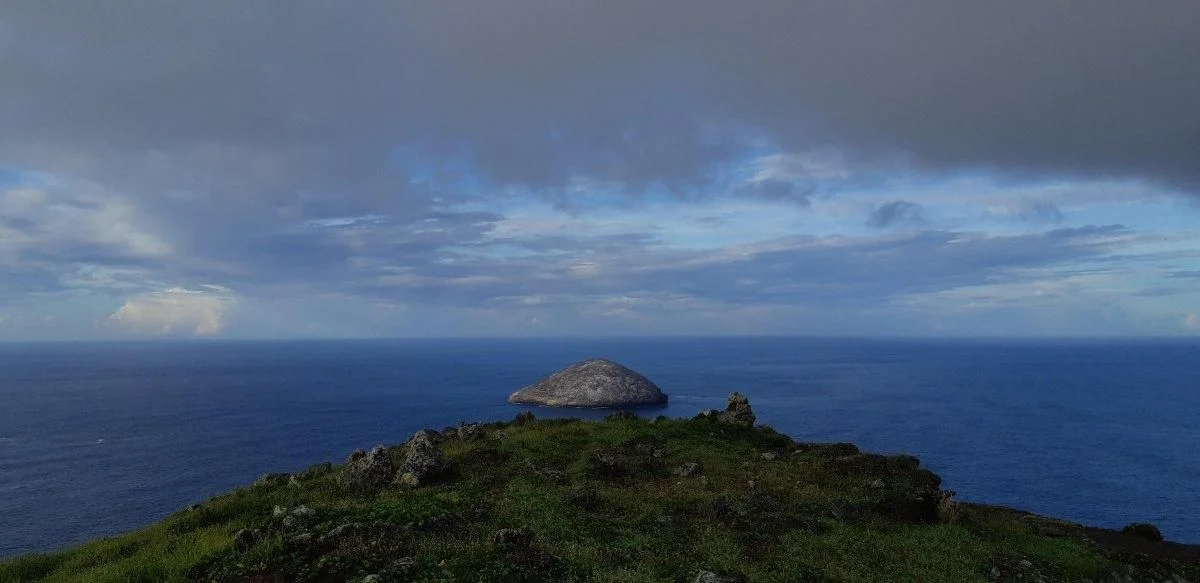
Just off the north coast of Mauritius lies Serpent Island, a small, rugged islet that forms part of the country’s network of protected outer islands. Despite its name, the island has no snakes today—the name likely comes from its winding, snake-like shape when viewed from the sea.

Find Serpent lsland

Why Serpent lsland

Serpent Island is part of the chain of northern islets that preserve fragments of Mauritius’ ancient natural landscape. Historically untouched by large-scale settlement, it has remained largely wild. Its significance lies not in human history, but in its role as a refuge for species that disappeared from the mainland.

Nature & Biodiversity

This isolated islet supports a fragile but important ecosystem:

Together with nearby islets like Round Island, it contributes to a broader conservation network protecting endemic wildlife.

Wildlife Protection & Visitor Guidelines

Conservation Importance

Serpent Island is part of ongoing conservation efforts led by organizations such as the Mauritian Wildlife Foundation. These offshore islets are carefully managed to support seabird populations and restore native habitats, playing a critical role in Mauritius’ environmental recovery.

Visiting Information

Like Round Island, Serpent Island is not open to the public. Access is restricted to conservationists and researchers to prevent disturbance to wildlife, especially nesting seabirds.