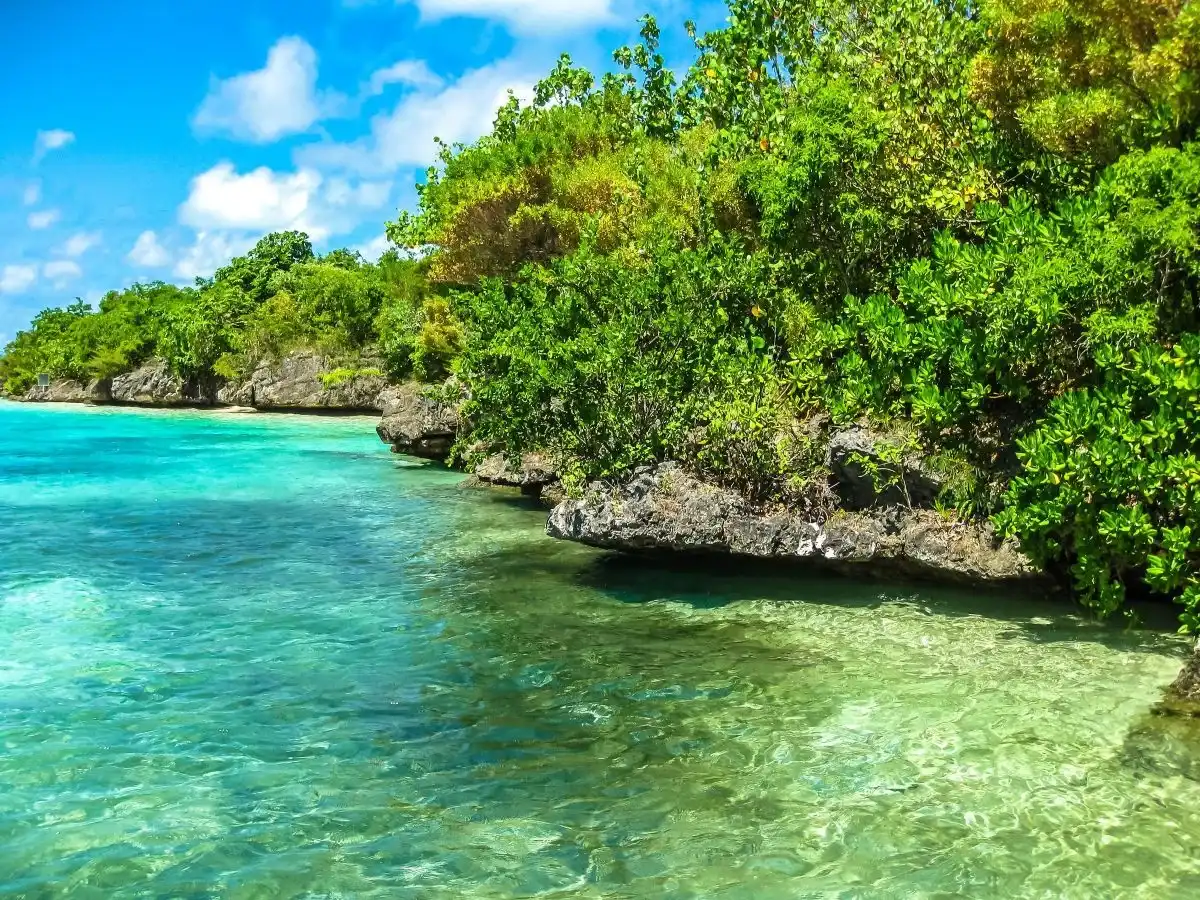

All visits are guided, and that’s a good thing. Expert guides walk you through restored coastal forest, pointing out rare plants and explaining how the ecosystem is being rebuilt. You’ll learn stories you’d never notice on your own.

Get up close to Aldabra giant tortoises roaming freely. These gentle giants were introduced to replace extinct native tortoises and now play a key role in seed dispersal—making them part of the island’s ecological restoration.

Keep your eyes open for species like the pink pigeon and Mauritius fody. Birdwatching here is rewarding because many of these species exist nowhere else in the world.

Walk among rare ebony trees and other native plants that once dominated Mauritius. This is one of the last places where you can see this original habitat in action.

With minimal disturbance and rich biodiversity, the island is ideal for nature photography—especially close-ups of reptiles, birds, and unique plant life.

Through your guide and interpretive stops, you’ll discover how the Mauritian Wildlife Foundation has restored the island. It’s an eye-opening look at real-world conservation in action.

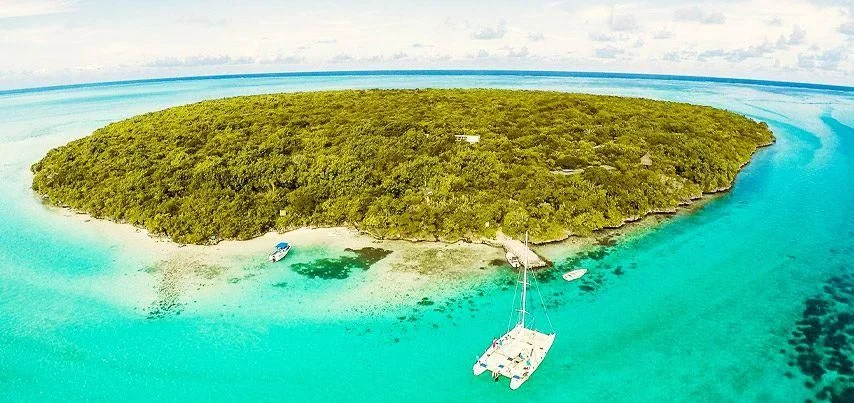
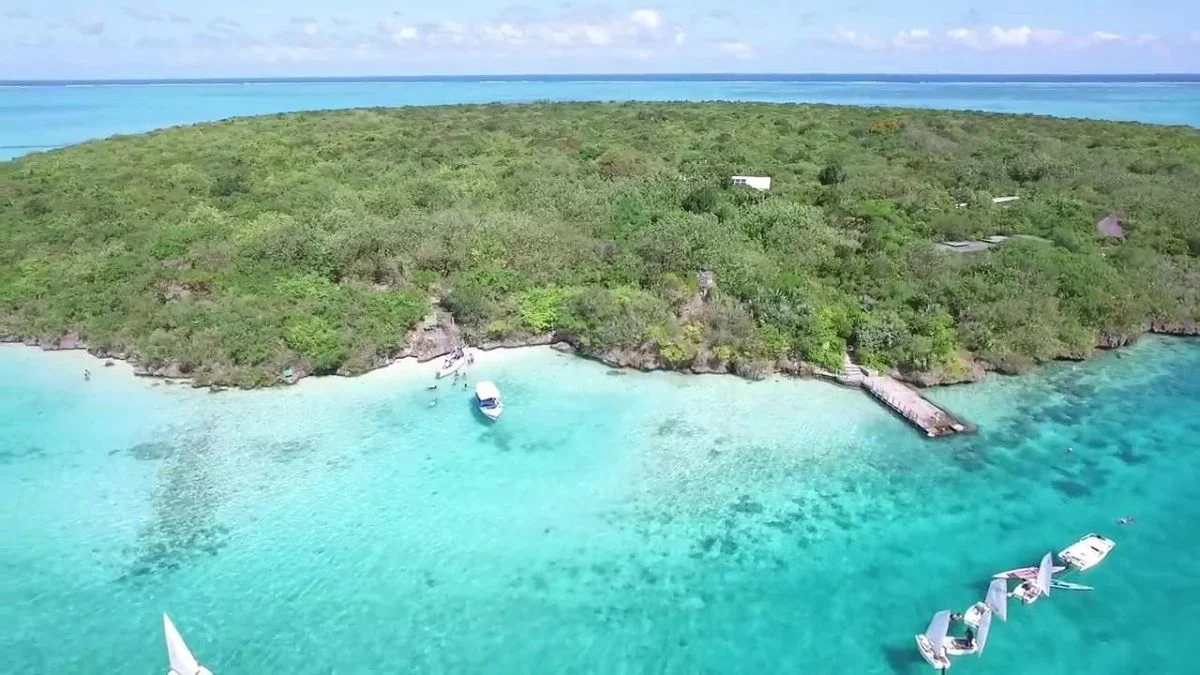
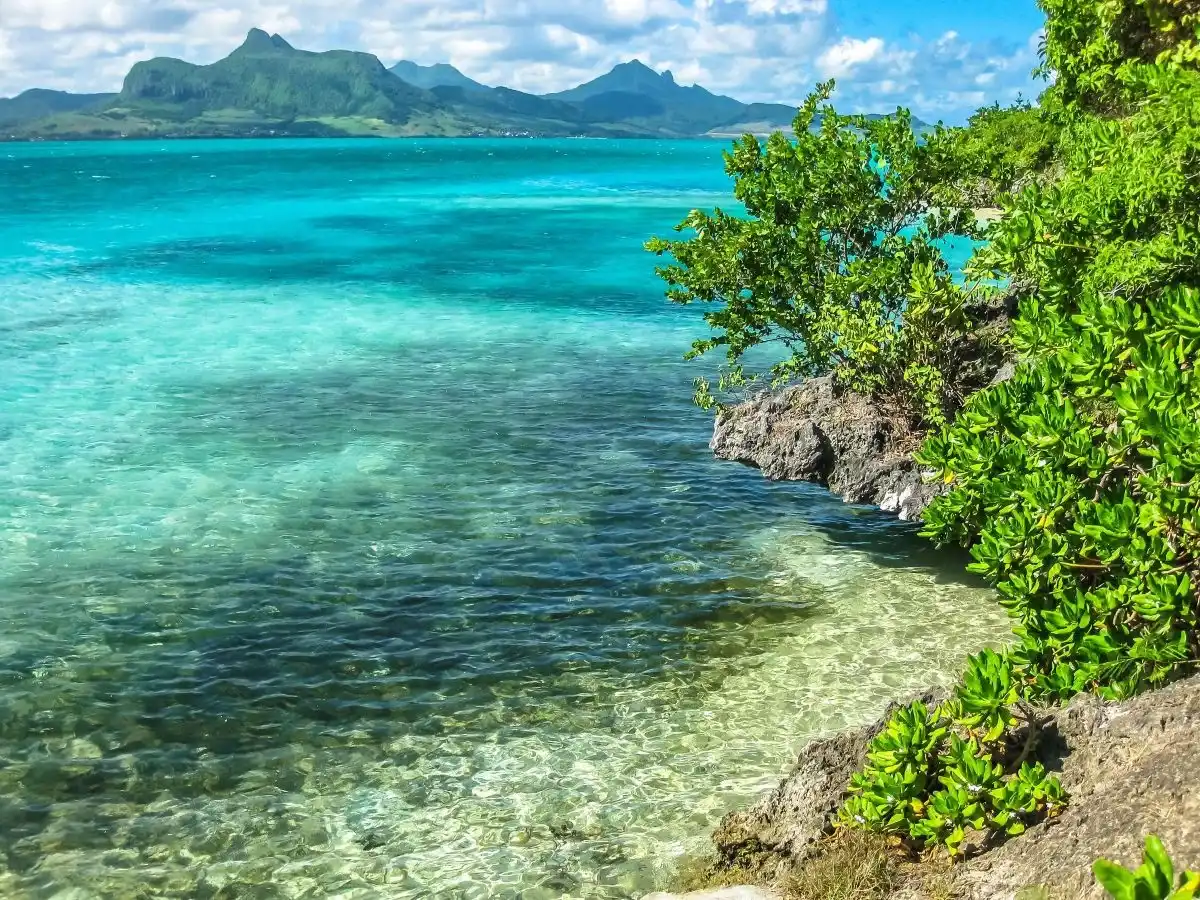
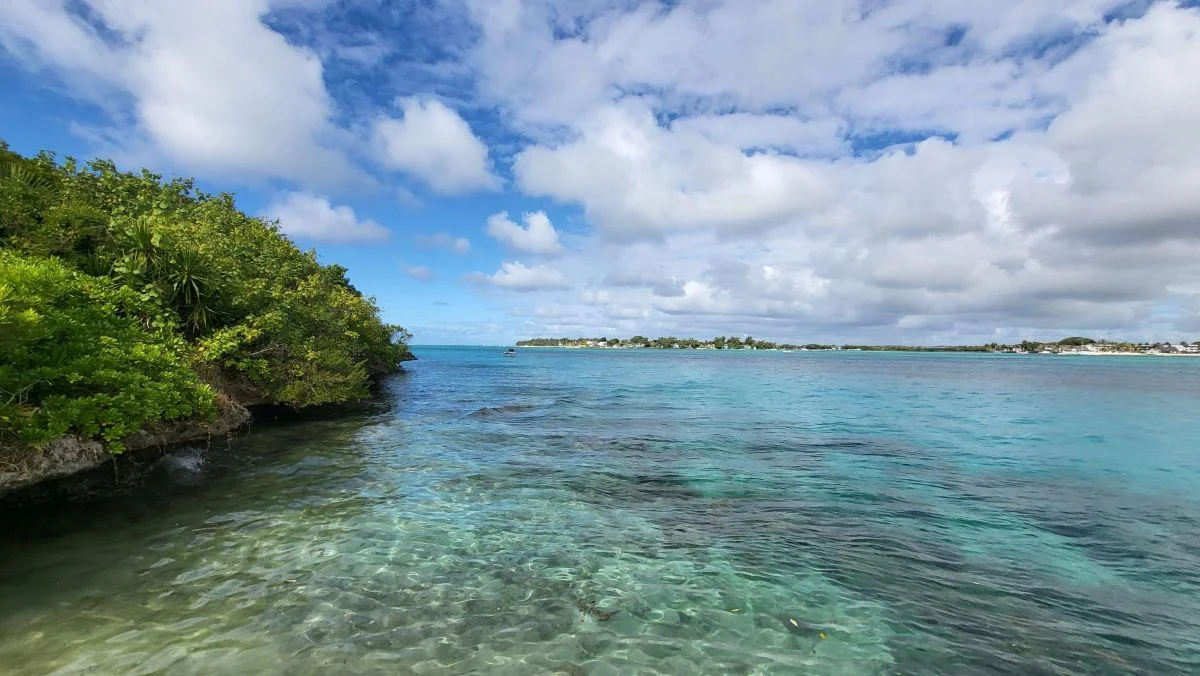
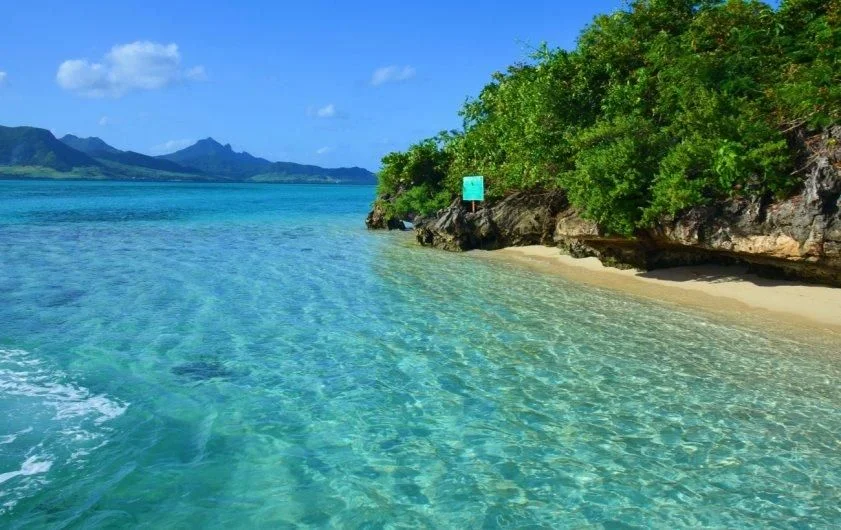
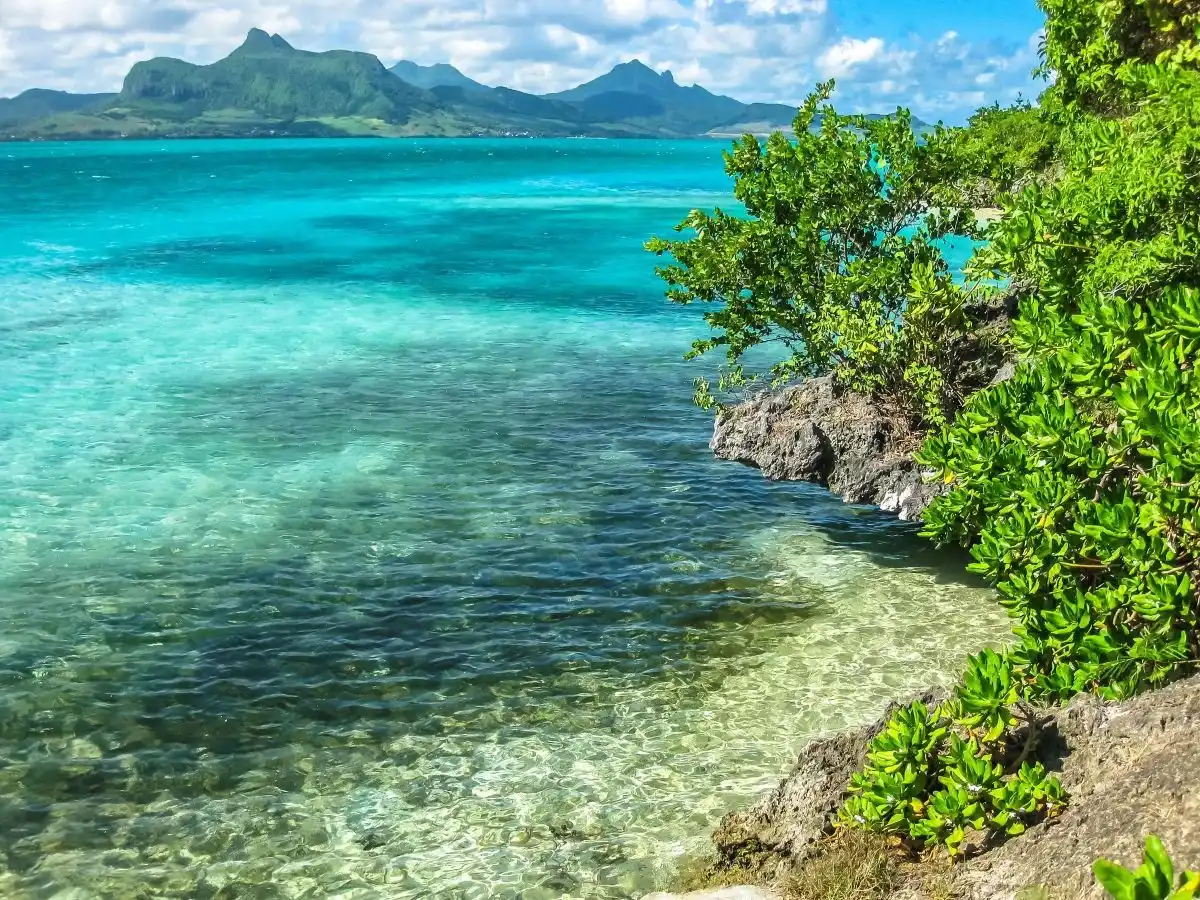
The short boat ride from the mainland adds to the adventure, offering scenic lagoon views and a sense of entering a protected world.

Visits typically last around 1.5–2 hours and must be booked in advance, as numbers are limited to protect the ecosystem.